Cincinnati Landlord-Tenant Law: What Rental Owners Need to Know
If you own rental property in Greater Cincinnati or Northern Kentucky, you're operating in a state with a clearly defined set of landlord-tenant laws. Understanding them isn't optional — it's how you protect yourself from costly legal disputes, avoid discrimination claims, and run your rental like a legitimate business. Here's what Ohio landlords need to know.
The Ohio Landlord-Tenant Act (ORC Chapter 5321)
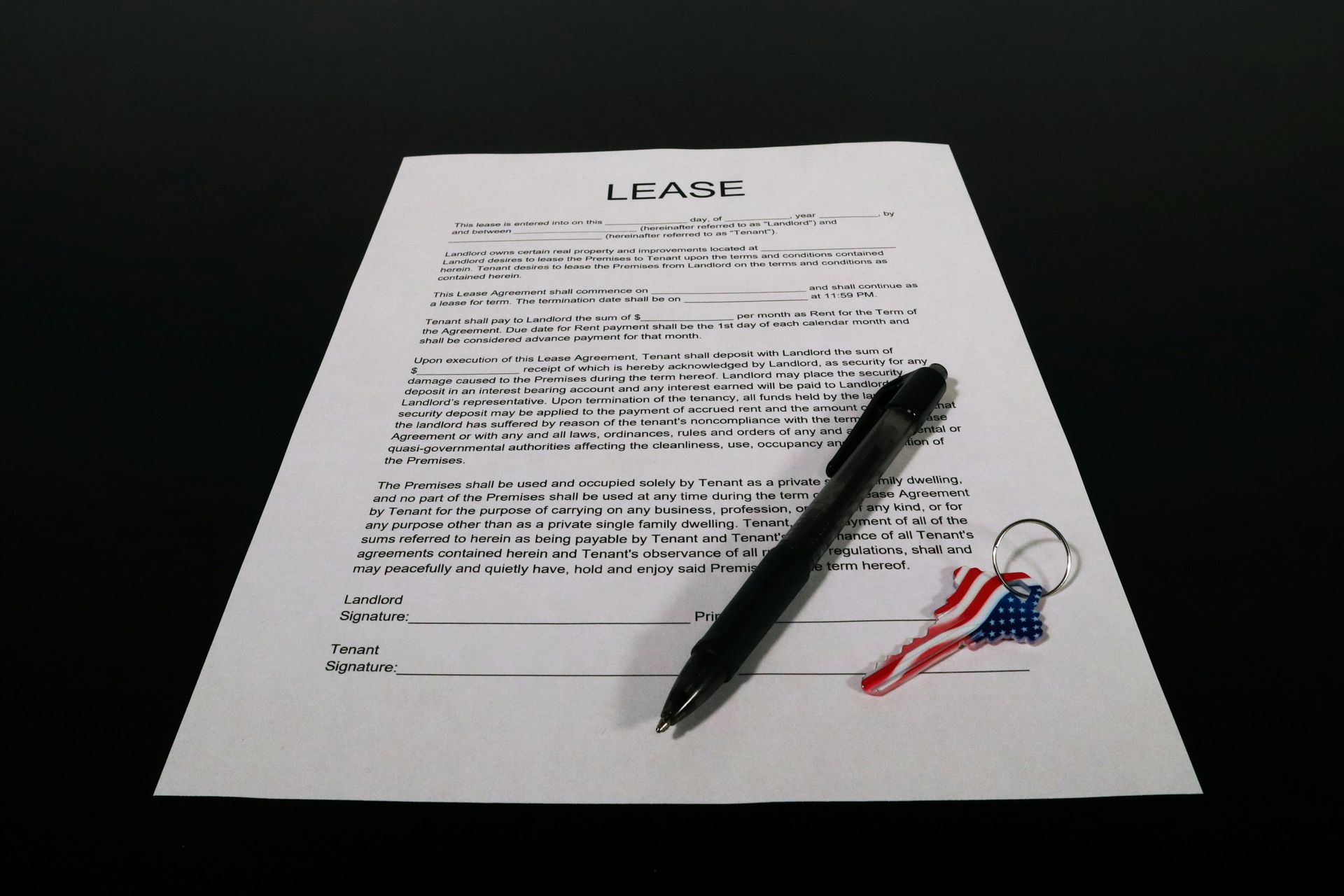
Ohio's primary landlord-tenant statute is found in Chapter 5321 of the Ohio Revised Code. It governs residential tenancies statewide and covers everything from lease requirements and security deposits to maintenance obligations and eviction procedures. If you're renting property in Cincinnati, Hamilton County, Warren County, or Northern Kentucky, you need to be familiar with this law. Kentucky landlords should also review the Kentucky Uniform Residential Landlord and Tenant Act, which applies in Northern Kentucky counties that have adopted it.
Security Deposit Rules in Ohio
Ohio law does not cap the amount you can charge for a security deposit, but it does set strict rules for how you handle it. You must return the deposit within 30 days of the tenant vacating, along with an itemized written statement of any deductions. If you collect a deposit of more than one month's rent and hold it for more than six months, you must pay the tenant 5% annual interest on the excess. Failing to return the deposit on time can cost you double the wrongfully withheld amount plus attorney fees.
Required Landlord Disclosures
Before a tenant moves in, Ohio landlords are required to disclose the name and address of the property owner and any property manager. Federally, you must provide a Lead Paint Disclosure for any property built before 1978. You should also document the condition of the unit at move-in with a written checklist, signed by both parties, to protect against security deposit disputes later.
Notice to Enter
Ohio law requires landlords to provide at least 24 hours' written notice before entering an occupied rental unit, except in cases of emergency. This applies to routine maintenance, inspections, and showings. Entering without notice is a violation of your tenant's right to quiet enjoyment and can create significant legal exposure.
Habitability and Maintenance Obligations
Under Ohio's implied warranty of habitability, landlords must maintain rental properties in a fit and livable condition. This includes keeping plumbing, heating, and electrical systems in working order, maintaining structural integrity, and addressing conditions that affect health and safety. Tenants who give proper written notice and don't receive a response within a reasonable time may have remedies including rent escrow, repair-and-deduct, or lease termination.
Fair Housing Laws Apply to Every Landlord
Federal, state, and local fair housing laws prohibit discrimination based on race, color, national origin, religion, sex, familial status, and disability. Ohio adds additional protected classes, and Cincinnati's local ordinances expand protections further to include source of income (Section 8 vouchers) and sexual orientation. Every decision you make about advertising, screening, and leasing must comply with these laws. Violations can result in federal investigations, civil lawsuits, and significant damages.
The Ohio Eviction Process
Ohio has one of the more landlord-friendly eviction processes in the Midwest, but it still requires following exact legal steps. The process begins with a written 3-day notice to pay or vacate for nonpayment of rent. If the tenant doesn't comply, you file an eviction complaint in municipal court. In Hamilton County, hearings are typically scheduled within 10–14 days of filing. If you prevail, the sheriff can execute the writ of restitution. The full process typically takes 3–6 weeks if uncontested, longer if the tenant files a counterclaim. Never attempt a self-help eviction — changing locks, removing belongings, or cutting utilities is illegal and can expose you to significant liability.
Let Wisenest Handle the Compliance Work
Staying current with Ohio landlord-tenant law is an ongoing responsibility. At Wisenest Property Management, we keep our leases, disclosures, and processes up to date with current Ohio law so you don't have to. We handle the compliance details so you can focus on your investment returns.
Questions about managing your Cincinnati rental the right way? Call (513) 296-2227 or email info@wisenestpropertymanagement.com
Frequently Asked Questions
What are my key obligations as a Cincinnati landlord under Ohio law?
Ohio law requires landlords to maintain rental units in a habitable condition, make necessary repairs within a reasonable time, keep common areas safe and sanitary, and provide working heat, plumbing, and utilities. You must also give proper notice before entry, follow lawful rent collection practices, and comply with all applicable housing codes. Cincinnati landlords have additional obligations under local ordinances, including fair housing protections that cover source of income.
How much notice do I need to give before entering a tenant's unit in Ohio?
Ohio law requires landlords to give tenants at least 24 hours' notice before entering a rental unit for non-emergency reasons such as repairs, inspections, or showings. Entry must happen at a reasonable time. The notice requirement does not apply in true emergencies — if there's a burst pipe, fire, or other immediate threat to the property or tenant's safety, you can enter without prior notice.
What are the security deposit rules for Cincinnati landlords?
Ohio caps security deposits at no more than two months' rent. You must return the deposit within 30 days of the tenant moving out, along with an itemized written statement of any deductions. Allowable deductions include unpaid rent and damage beyond normal wear and tear. If you wrongfully withhold any portion of the deposit, the tenant can sue for double the withheld amount plus attorney fees.
What does the eviction process look like in Cincinnati?
For nonpayment of rent, you start with a 3-day written notice to pay or vacate. If the tenant doesn't comply, you file an eviction complaint at Hamilton County Municipal Court. A hearing is typically scheduled within 2 to 3 weeks. If you prevail, the court issues a writ of restitution and the sheriff can remove the tenant. The full process usually takes 3 to 5 weeks. Never attempt a self-help eviction — changing locks, removing belongings, or shutting off utilities is illegal and exposes you to significant liability.