First-Time Landlord in Ohio? Here's What You Need to Know
Renting out a property for the first time comes with a steep learning curve. Ohio has specific laws governing the landlord-tenant relationship, and getting things wrong from the start can be expensive. Here's what you need to understand before your first tenant moves in.
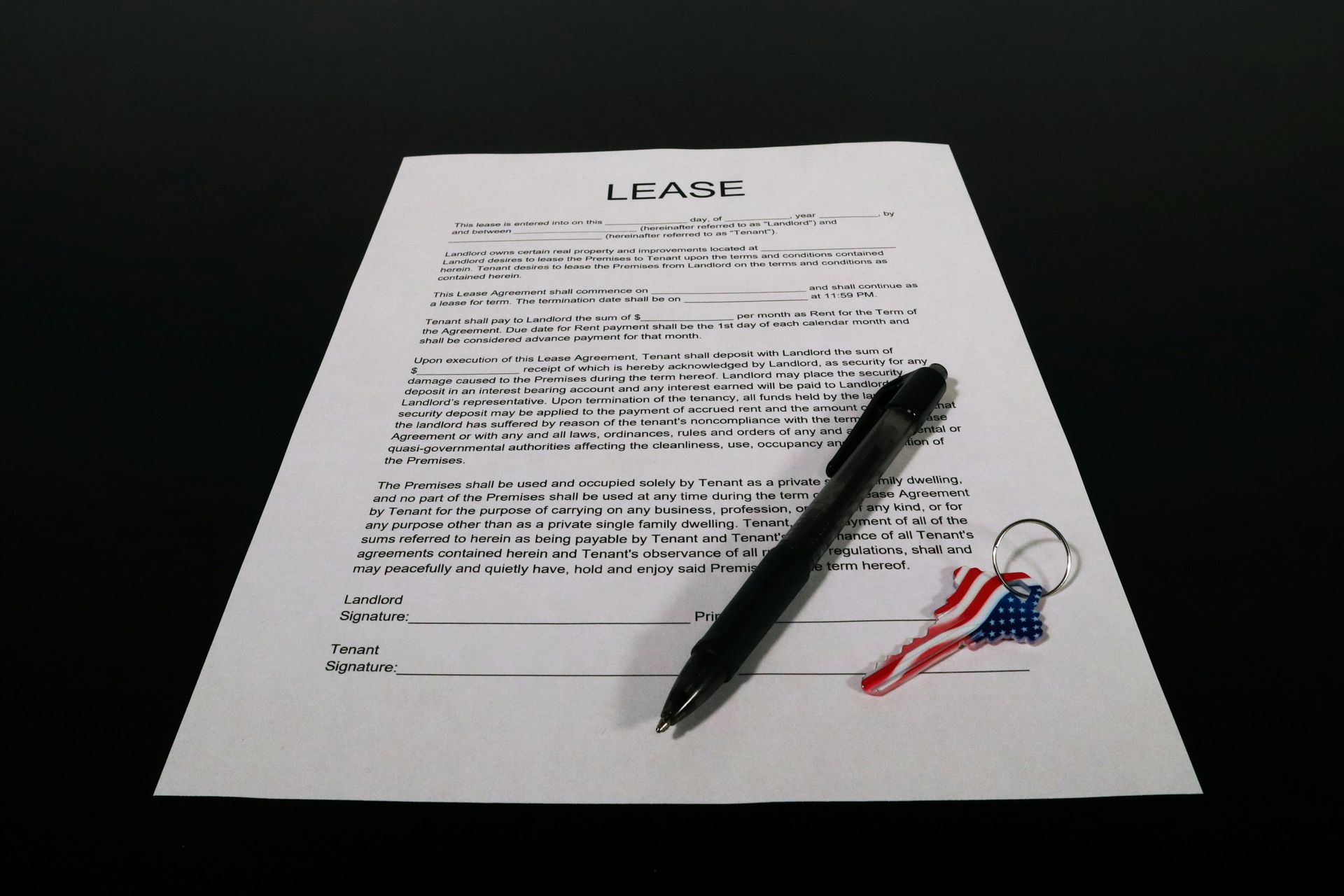
Get the Right Lease in Place
A handshake agreement or a lease template you found online may not hold up under Ohio law. Your lease needs to be specific to Ohio and cover the essentials: lease term, rent amount and due date, late fees, security deposit terms, maintenance responsibilities, and entry notice requirements. If you're unsure, have an attorney review it or work with a property manager who uses a properly drafted lease.
Understand Ohio's Security Deposit Rules
Ohio law requires landlords to return a tenant's security deposit within 30 days of move-out. If you withhold any portion, you must provide a written itemized statement of deductions. Failing to do this correctly can result in you owing the tenant double the wrongfully withheld amount plus attorney fees. Keep the deposit in a separate account and document the property's condition thoroughly at move-in and move-out.
Know the Required Disclosures
Ohio landlords are required to disclose certain information to tenants. This includes the name and address of the property owner and the person authorized to manage the property. Federal law also requires a lead paint disclosure for homes built before 1978. Make sure these are in writing and signed before the tenant takes possession.
Give Proper Notice Before Entering
In Ohio, landlords must give tenants at least 24 hours notice before entering the property for non-emergency reasons. Entering without notice is a violation of the tenant's rights, even if you own the property. Emergencies are the exception, but document any emergency entry carefully.
Maintain the Property to Habitability Standards
Ohio law requires landlords to maintain rental properties in a fit and habitable condition. This means functioning heat, plumbing, and electrical systems, a weathertight structure, and freedom from pest infestations. Responding to maintenance requests promptly isn't just good practice. It's a legal obligation. Tenants who don't receive timely repairs have remedies under Ohio law, including rent escrow.
Understand the Eviction Process Before You Need It
Ohio has a formal eviction process that must be followed exactly. You can't change locks, remove belongings, or shut off utilities to force a tenant out. These are illegal self-help evictions and can expose you to significant liability. If a tenant stops paying rent or violates the lease, you must serve a proper written notice, then file in court if they don't comply. The process typically takes 3 to 6 weeks in Hamilton County and surrounding areas.
Consider Professional Management From the Start
Many first-time landlords try to manage their property themselves and quickly realize how much is involved. If you want to protect your investment from the beginning without the learning curve, working with a professional property manager makes a lot of sense. At Wisenest, we help property owners across Greater Cincinnati and Northern Kentucky get it right from day one.
Call us at (513) 296-2227 or email info@wisenestpropertymanagement.com to get started.
Frequently Asked Questions
Do I need a license to be a landlord in Ohio?
Ohio does not require a statewide landlord license, but some municipalities have their own registration or inspection requirements. Check with your local city or county for any local rules that apply.
How much can I charge for a security deposit in Ohio?
Ohio does not cap the security deposit amount for most residential rentals, but if you charge more than one month's rent you must pay interest on the excess amount. Keep deposits in a separate account and document everything.
What happens if a tenant doesn't pay rent in Ohio?
You must serve the tenant with a 3-day written notice to pay rent or vacate. If they don't comply, you can file for eviction in your local municipal court. Do not attempt any self-help remedies like changing the locks.
What repairs am I required to make as an Ohio landlord?
You're required to maintain the property in a habitable condition, which includes functional heating, plumbing, electrical systems, and a structurally sound building. Cosmetic issues are generally not required but maintaining them helps with tenant retention.